
You might remember that in November 2024 we launched our brand-new EcoHub at The University of Hull’s botanical gardens in Cottingham. It is a fantastic 25-acre woodland space known for it’s open and tranquil surroundings, diverse plant specimens and wildlife habitats, that we can invite classes of children to learn about biodiversity within beautiful, grade 2 listed grounds. We have been lucky to have been using this space over the past year with many children and have been working hard to improve and develop the learning experience to create an educational but wholesome experience for our learners, expanding their Key Stage 2 science knowledge (Living things and their habitats) and introducing them to potential future career paths.
In this blog, I am going to tell you about the developments that we have made behind the scenes and show you some of the activities that the children have taken part in over the year on our ‘Biodiversity and me’ experience as well as quotes from staff, children and volunteers who have spent the day at Botanical Gardens.
As a new Learning Experience Lead at HEY CU, ‘Biodiversity and me,’ has been one of the first experiences that I have led on. It is a great way to start my working week as the botanical gardens are so peaceful and relaxing first thing on a Monday morning: first with a walk around the gardens to see what the weather conditions have been like, then setting up the activities in the classroom and finally enjoying a hot drink outside in the wildlife before volunteers and children arrive.
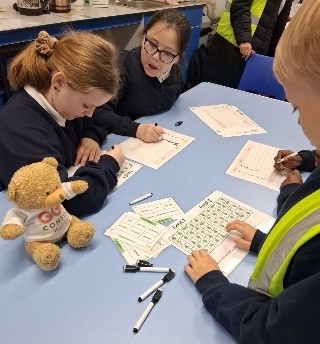
One of the first activities that the children participate in is a game of bingo using the Key Stage 2 Science vocabulary that they will be familiar with in the classroom such as ‘predator,’ ‘carnivore,’ and ‘ecosystem'. This always gets the children excited and motivated. Next, in small groups, the children examine biodiversity in more detail and look at two different forests. They investigate how the forest would be affected if one species of tree is infected by a disease and this opens discussions about biodiversity and how forests and woodland areas should be diverse and considerations made when planting new trees and shrubs into woodland areas. After this, the children make links to food chains and ecosystems with high/low biodiversity and discuss what consequences might occur when one animal/tree/shrub is removed from the food chain (i.e. if rabbits were infected with a disease).
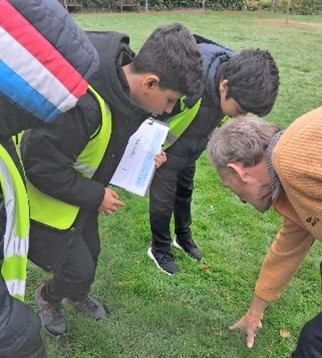
The children then move outside and, in small groups, explore different areas of the botanical gardens, completing a survey about what evidence of wildlife they can find and make notes to share with the class including nests, food, tracks and scat. This part of the day is one of the most enjoyable to watch as, whilst the children are using lots of skills like communication, observation, teamwork and working scientifically, they are exploring the gardens, running around the areas, finding new things that they’ve never seen up-close before and enjoying outdoor learning. For a large proportion of the children that we work with, safe open spaces to play are limited so it is a joy to see the children explore freely.
After lunch, the children take part in a biodiversity game designed to think about what impact we have as humans on ecosystems and the positive and negative consequences of our actions (for example, building a car park on grassland or introducing an invasive species). The children thoroughly enjoy this activity as they never know what is going to happen after every event during the game and whether they will lose or gain species.
At the end of the day, the children learn about Rewilding Yellowstone National Park project and how the re-introduction of wolves changed the ecosystem of the whole area. Every class that we have seen have been fascinated by the wolves. When they then get a bit of free exploration time in the gardens, we often hear them howling, running around and playing games like hide and seek!
The best thing is that the children and the teachers love Ecohub too. Here are some comments from them:
“Outdoor learning is brilliant for our children. You can see how much more curious and inquisitive they are when they’re exploring and discovering new things in nature. It enhances the work we do in the classroom around habitats, biodiversity and ecosystems. But beyond that, it opens their eyes to opportunities and careers available to them.” (Teacher)
“We learnt about gardeners and ecologists. I don’t want to live in a world without animals. I enjoyed spending lots of time outside. I was proud of myself when I knew what loads of the words at the start meant. I was really amazed by the video about the wolves.” (Pupil)
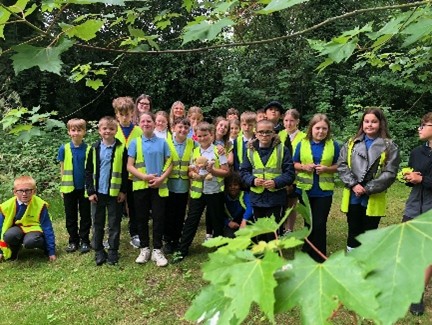
EcoHub doesn’t just end at Botanical Gardens. This summer, I will be working with the primary schools that have been to our Ecohub experience to plan a local biodiversity project within their school area. They will be invited to our Eco Conference at the City Hall in Hull in June, where they will share the work they’ve been involved in at the and have the chance to meet a range of business people to discuss career paths and opportunities. So, watch this space in June/July as we will be presenting the next ecologists and environmentalists of the future!
Our EcoHub experience wouldn’t be possible without the generous donations from our sponsors including Becker, GGP, Oh Yes Net Zero, Northern Gas Network and Trident who, in partnership with us, are keen to educate young people about biodiversity, sustainability and environmental issues and encourage children into careers paths within these industries. We extend our thanks for their continued support.
Katie, Learning Experience Lead